Dental Service
Get Dental Implants in Medford, OR
Dental Implants in Medford, OR
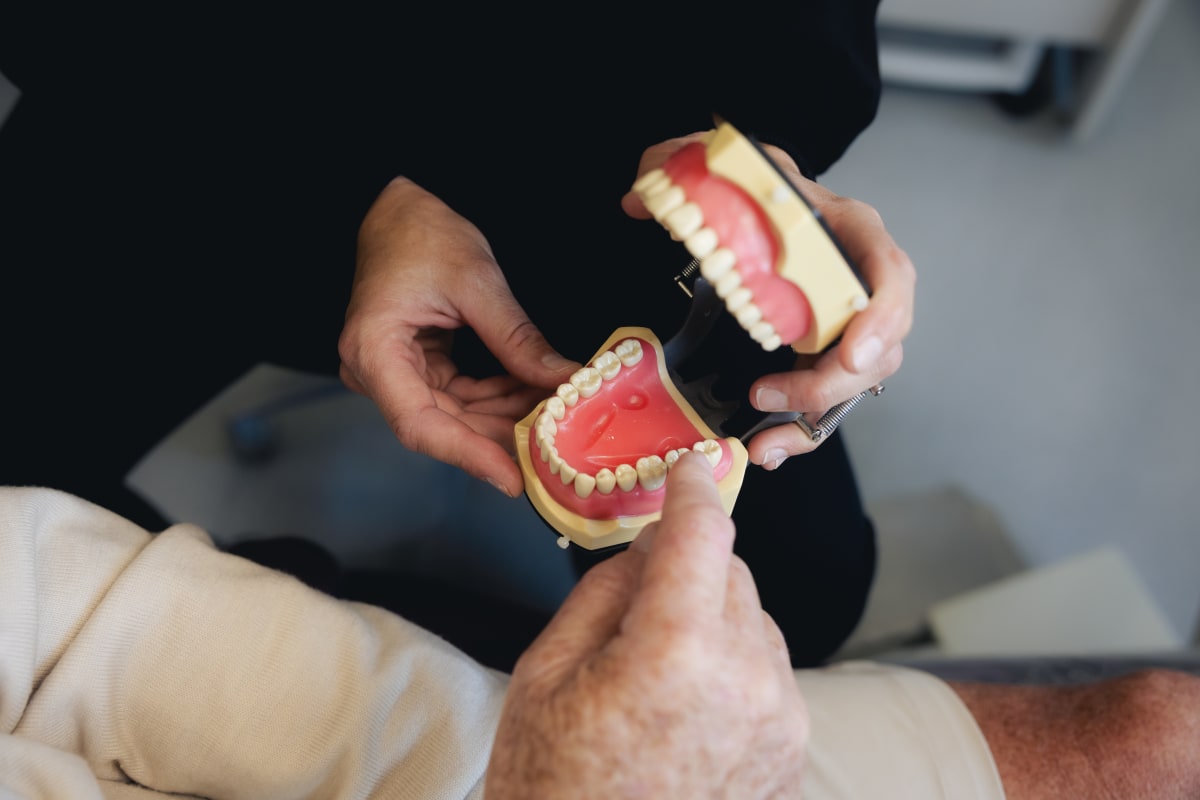
You've probably heard a few different things about dental implants, and some of them may have made the decision feel more complicated than it needs to be. At its core, an implant is a small titanium post that takes the place of a missing tooth root. Once your bone has healed around it, a custom crown goes on top. It stays put. You chew with it, brush it, and mostly forget it's there.
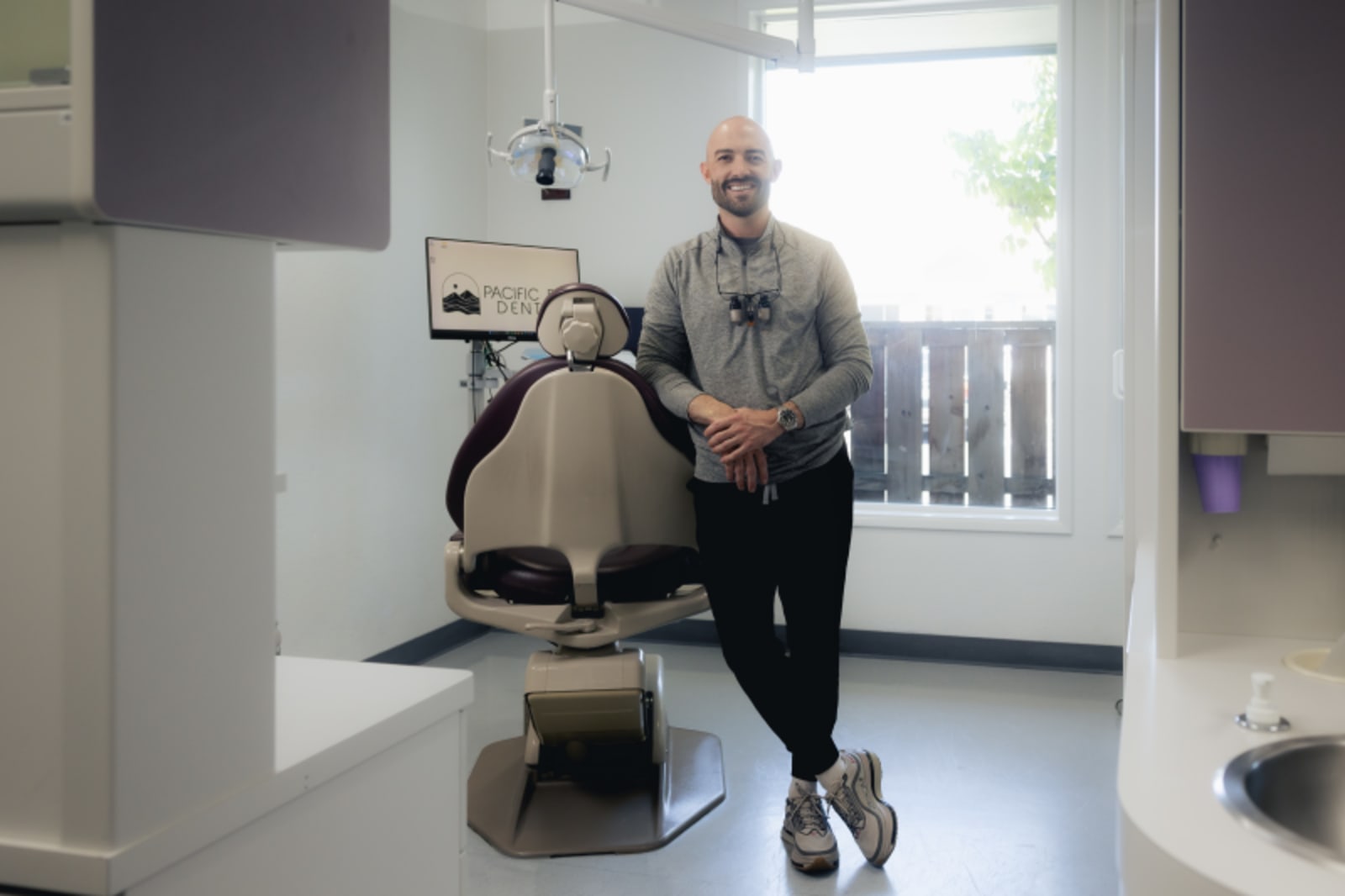
Dr. Kaiser and the team at Pacific Rim Dental plan and place implants right here in Medford. They use digital design and advanced technology to map out each step before anything happens in your mouth, which makes the whole process more accurate and more predictable.
Dr. Kaiser grew up in Eagle Point and came back to Southern Oregon to practice, so the patients in this chair are his neighbors. He'll walk you through what implants would actually involve for your situation, including the parts that take time and the cases where a different option might serve you better.
If you'd rather just talk it through first, call us at (541) 779-9059. We're happy to answer questions before you schedule anything.
Quick Takeaways
- Bring your questions about chewing, speaking, and how things will look. Those are the real concerns implants are designed to address, and they're exactly what we're here to talk through.
- If you need a bone graft, that's the one thing most likely to extend your timeline, so it's worth asking about early.
- The entire process takes months, not weeks, but most of that time is your body doing the healing at home, not you sitting in a dental chair.
- Bring a current list of your medications and any recent X-rays if you have them. Both help Dr. Kaiser put together a plan that actually fits your situation.
- Your next step is a consultation. Dr. Kaiser will review your X-rays and scans, answer your questions honestly, and let you know whether implants are the right fit, or whether something like a bridge or denture might actually serve you better.
How the Implant Process Works
Every case looks a little different, but the path is the same for most people. Knowing the order of things ahead of time takes a lot of the anxiety out of it.
1. Consultation, imaging, and digital planning
We start by reviewing your X-rays, checking how much bone is available at the site, and looking at how your bite fits together. From there, we use digital planning to map exactly where the implant will go, before anything happens in your mouth. That way, placement is guided and precise, not figured out on the fly. This visit is also where Dr. Kaiser walks you through your options, talks honestly about cost, and makes sure the timing actually works for your life.
2. Any prep work that needs to happen first
If the tooth is still there but can't be saved, it comes out first and the area heals for a few weeks. If there isn't quite enough bone at the site, a bone graft may be needed before we place the implant. A graft doesn't become your bone. What it does is hold the space open and give your own bone cells something to grow through while the area rebuilds. That healing takes time, often several months, but it's what makes an implant possible for a lot of people who might otherwise be told they're not a candidate.
3. Placing the implant
The implant post is placed into the jawbone at its own appointment. The area is fully numbed, so you won't feel the procedure itself. If dental anxiety is something you deal with, oral conscious sedation is available. Just mention it when you call so we can plan ahead.
4. Healing (osseointegration)
This is the waiting stretch, and most of it happens while you're just going about your normal life. Over the next three to six months, your bone gradually grows around the implant and bonds to its surface. That bond is what makes the implant strong enough to handle everyday chewing. Dentists call this process osseointegration, but what it really means is: your body is doing the work of making the implant permanent.
5. The final crown
Once the implant has fully integrated, we take a digital scan of the area and design a crown that matches the shape and shade of your surrounding teeth. This is the part that looks and feels like a real tooth.
What Implants Actually Do for You
- You chew normally again. An implant is anchored in bone, so foods like steak, apples, and crusty bread are back on the table without a second thought.
- Your neighboring teeth are left alone. Unlike a bridge, nothing gets shaved down to hold it in place. Dr. Kaiser takes a conservative approach with every restoration, meaning he preserves as much of your healthy tooth structure as possible.
- The bone in that spot keeps getting used. When a tooth root is missing, the bone underneath it gradually shrinks because it no longer has anything to support. An implant gives that area a job again and helps keep the bone intact.
- Speech and facial shape hold steady. Gaps and shifting teeth can affect how clearly you speak and how your lower face looks over time. An implant helps prevent both.
- It looks like it belongs. The crown is designed to match your bite and the shade of your other teeth. It is made specifically for you, not a one-size-fits-all piece.
- It's built for the long haul. With good home care and regular checkups, implants often last decades. The crown on top may need replacing at some point, the way any restoration eventually does, but the post itself is meant to stay.
Who Implants Are Right For
Most adults who are missing one or more teeth are good candidates for implants. A few things help determine whether now is the right time for you.
- Jawbone volume. The implant needs enough bone to anchor into. If you've lost some bone since a tooth was removed, that doesn't rule you out. It usually just means a bone graft comes first.
- Gum health. If gum disease is active, it needs to be treated before an implant goes in. Implants heal best in healthy tissue, and that's something we take care of right here in our office.
- Overall health and medications. Some health conditions and medications can slow down healing. That's worth a conversation. It's not an automatic no.
- Smoking. Smoking makes it harder for the implant to bond with the bone properly. Quitting (or at least stopping through the healing period) meaningfully improves your chances of a successful outcome.
If implants aren't the right fit right now, there are still solid options. A bridge can fill a single gap without surgery. Traditional dentures replace a full arch at a lower upfront cost. Implant-supported dentures and All-on-Four work somewhere in between: they use a small number of implants to hold a full arch firmly in place, so it doesn't shift or slip when you eat or talk. Dr. Kaiser will walk you through the pros and cons of each so you can decide what makes sense for your situation.
Your Implant Timeline: What To Expect
For a single implant with no complications, most people are looking at four to eight months from the first visit to the final crown. That might sound like a long time, but the process itself is not. The time you actually spend in the chair is a small fraction of that. Most of the timeline is just your body healing on its own schedule.
Step 1: Consultation and Imaging
This is where everything starts. Dr. Kaiser reviews your X-rays and scans, maps out a plan, and gives you a clear picture of what your timeline will actually look like.
Step 2: Any Prep Work First (If Needed)
If a tooth still needs to come out, the area just needs a few weeks to settle before we move forward. If a bone graft is part of your plan, that adds a few months to let the site rebuild. Neither of those things changes the end result. They just shift the starting point a little.
Step 3: Implant Placement
The implant post is placed at its own appointment. The area is fully numbed, so you won't feel the procedure itself. Most people are surprised by how straightforward it is.
Step 4: Healing (The Waiting Period)
This is the longest part of the process, and most of it happens at home while you go about your normal life. Over the next few months, your bone gradually grows around the implant and bonds to it. There may be a short check-in visit during this stretch, but you are not in the chair the whole time.
Step 5: Final Crown Placement
Once healing is complete, the custom crown goes on top. This typically takes one or two visits. After that, you are done.
At your consultation, Dr. Kaiser will put together a timeline based on your actual imaging, so you know what to expect for your situation specifically, not just a general estimate.
Getting Ready, and Healing Well Afterward
Before your appointment, bring a current list of your medications. Make sure to mention any blood thinners or bisphosphonates (a type of medication used for bone density or certain cancers), and let us know if you tend to clench or grind your teeth. If you're not being sedated, eat something beforehand. If you are, you'll need someone to drive you home. Getting a cleaning in before placement helps too. A healthy mouth heals faster.
For the first two or three days after placement, some soreness and puffiness around the jaw or cheek is completely normal, and it usually peaks around day two and then starts to ease up. Over-the-counter pain relief handles it for most people. You'll want to stick to soft foods for a bit, avoid straws and smoking, and keep the area clean following the instructions we give you.
You'll leave with written instructions specific to what was done that day, not a generic handout.
Cost and Payment For Dental Implants
Implant costs vary from person to person because the treatment itself varies. A few things that shape the number:
- How many implants you need
- Whether a tooth extraction or bone graft needs to happen first
- What goes on top: a single crown, a bridge, or a full-arch restoration
- Whether sedation is part of your plan
Rather than throwing out a range that might not apply to you at all, we put together a written estimate at your consultation once we know exactly what your treatment looks like. If you have dental insurance, we'll help you figure out what it actually covers, because implant coverage varies a lot from plan to plan. Payment options are part of that same conversation, not an afterthought.
Dr. Kaiser thinks of cost as part of the care, and it gets treated that way. To get a clearer picture of what your own treatment would involve, call our Medford office at (541) 779-9059 and we'll get you in for a consultation.
Why Patients Choose Pacific Rim Dental for Implants
Choosing where to have an implant placed is a bigger decision than choosing where to get a filling. The difference usually comes down to how well the case is planned and how well it gets explained to you.
Dr. Kaiser earned his DMD at Midwestern University in Arizona, where he received the Dean's Award in both digital dentistry and implant dentistry. Implant cases here are designed digitally before anything happens in the chair, so the placement position and the final crown are planned together from the start. That means a more accurate result and fewer surprises along the way.
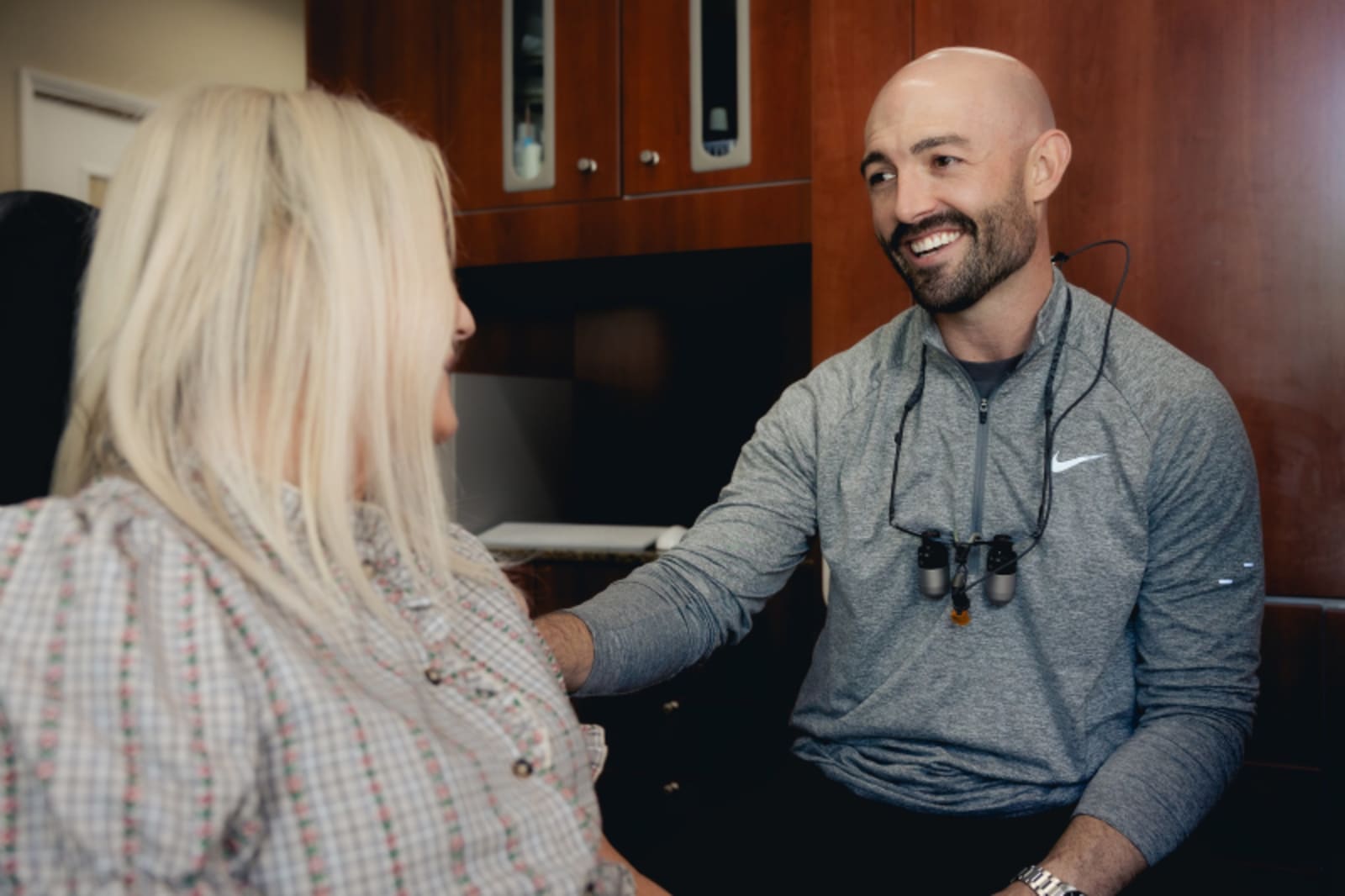
The other part is how Dr. Kaiser approaches care. He focuses on preserving what's healthy, treating conservatively, and looking at your whole mouth rather than just the gap. Simply put, he's not going to recommend more than you actually need. What patients tell him most often is that they appreciate how clearly things get explained, and that's intentional. This is a locally owned practice, not a corporate office working through a packed schedule. Dr. Kaiser grew up here, and Medford is home.
Frequently Asked Questions About Dental Implants
How long do dental implants last?
The implant post itself is meant to last a lifetime, and most people who take care of their teeth and come in for regular checkups do keep theirs for life. The crown on top gets the daily wear and tear, so it may need to be replaced at some point, but that's true of any dental crown, not just ones on implants.
Does getting an implant hurt?
The placement appointment is done with local anesthetic (the same numbing used for fillings), so you won't feel the procedure while it's happening. Most people are surprised by how manageable the soreness is afterward. If dental anxiety is the bigger concern for you, that's worth mentioning ahead of time; oral conscious sedation is something we offer and it makes a real difference for a lot of patients.
Can I get an implant if I've lost bone in that area?
Often, yes. When there isn't quite enough bone to support an implant, a bone graft can help. It works by holding the space open and giving your own bone cells a structure to grow through, gradually rebuilding the area. Whether that's the right step for you depends on how much bone is there and where, and that's something Dr. Kaiser can assess once he looks at your imaging.
Implant or bridge: which is better?
It depends on your situation, but here's the key difference: a bridge uses the teeth on either side of the gap as anchors, which means those teeth have to be filed down to hold it in place. An implant stands on its own and leaves your neighboring teeth completely untouched. For most people who are good candidates, the implant is the more conservative choice over the long run. A bridge is faster and doesn't involve surgery, and for some people that matters more right now, which is a completely fair call.
Is there a downside to waiting?
That's entirely your decision, and we won't pressure you either way. What's worth knowing is that once a tooth root is gone, the bone in that spot gradually shrinks because it's no longer being used. Nearby teeth can also start to shift into the gap over time. The longer it sits, the more likely it is that extra steps like a bone graft become part of the picture down the road.
Can implants replace a full arch of teeth?
Yes. If you're missing most or all of your teeth on one arch, implant-supported dentures and All-on-Four are both options we plan and place right here in Medford, so you won't be sent somewhere else partway through your care. At your consultation, Dr. Kaiser will walk you through how those options compare to traditional dentures on cost, stability, and day-to-day maintenance, so you can make the choice that actually fits your life.
Come Talk It Through With Us
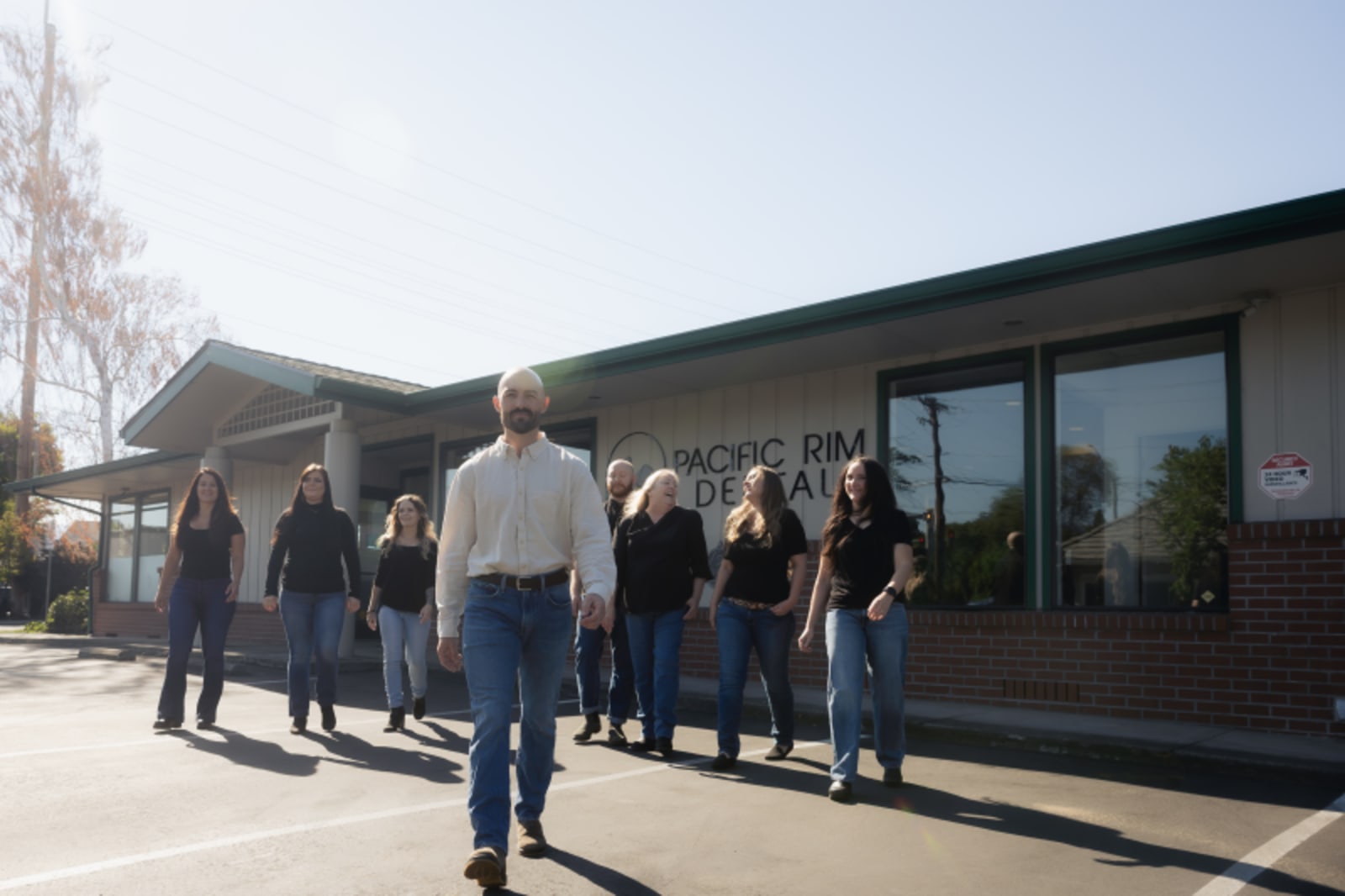
If you've been living around a missing tooth or a denture that won't cooperate, a consultation is a relaxed, no-pressure place to start.
Dr. Kaiser will look at your imaging, answer the questions you actually have, and tell you plainly what implants would mean for your mouth, your timeline, and your budget. You don't have to decide anything that day.
We're at 940 Ellendale Dr, Suite 101 in Medford, open Monday through Thursday, and we're accepting new patients.
Give us a call at (541) 779-9059 whenever you're ready. We're happy to answer questions before you schedule anything.
Enjoy a better dental experience
Please call (541) 779-9059 or request an appointment online to set up your first visit. We’ll be in touch soon.