Dental Service
Get Dentures in Medford, OR
Dentures in Medford, OR: Getting Teeth That Work for the Way You Actually Live
You've probably been working around this for a while. Cutting food smaller than you'd like. Keeping your mouth closed in photos. Chewing on one side because the other side just doesn't cooperate anymore.
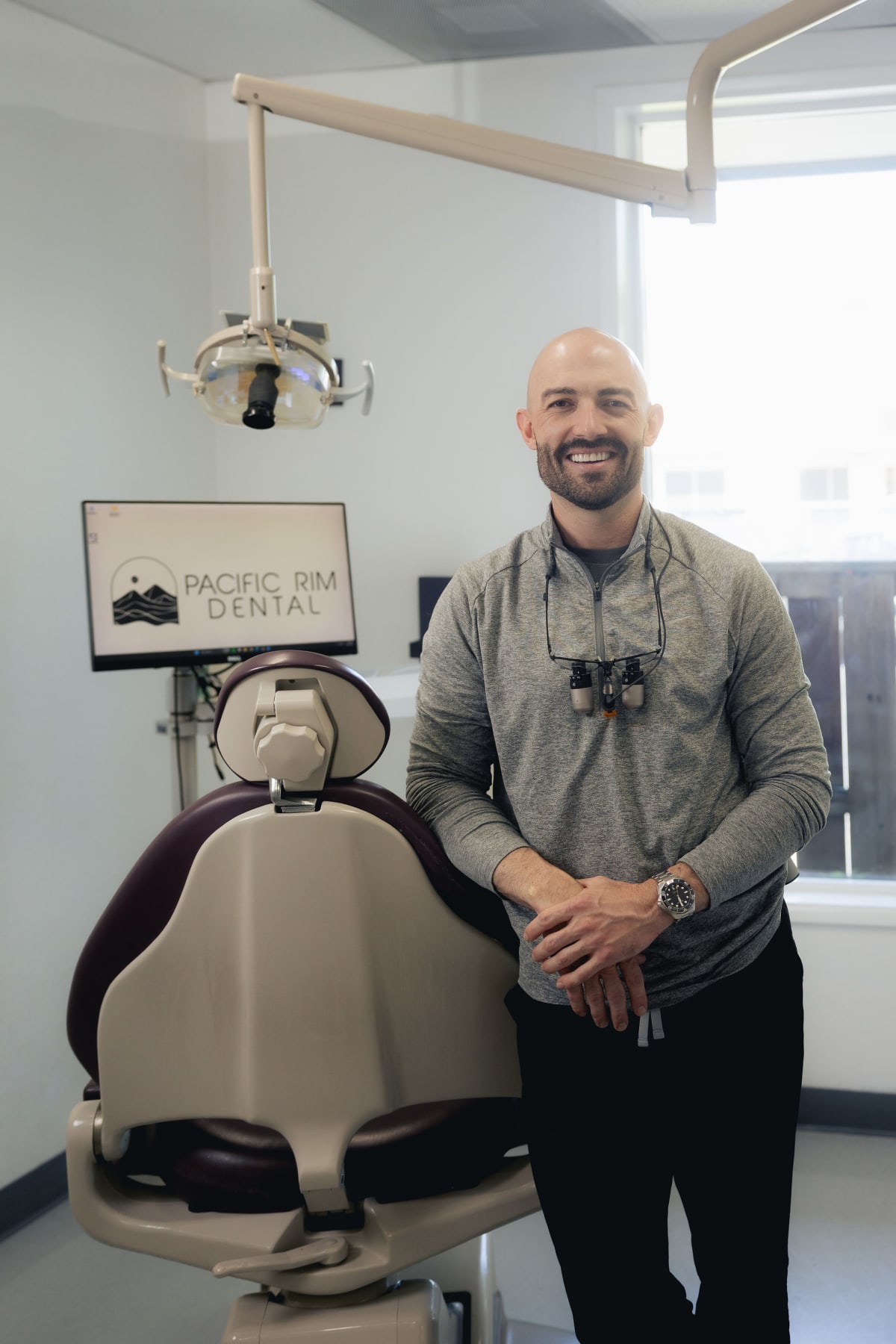
Dr. Kaiser and the team at Pacific Rim Dental work with people in exactly that situation every day, and the goal is simple: get you back to eating, talking, and smiling without having to think twice about it.
We offer full dentures, which replace all the teeth in an upper or lower arch, and partial dentures, which fill in the gaps around the natural teeth you still have. Either way, everything is custom-made to fit your bite and your face over a series of appointments (not something pulled off a shelf).
If you'd like to talk through your options before making any decisions, give us a call at (541) 779-9059. The first visit is just a conversation, no pressure, no commitment.
Quick Takeaways
- There are a few different types of dentures, and the right one depends on your situation. If you still have healthy teeth, a partial denture fills in the gaps. If a whole arch needs replacing, a full denture makes more sense. And if staying secure while you eat is a top priority, an implant-supported denture is worth asking about.
- Getting dentures takes more than one visit, and that's a good thing. We take impressions, do a try-in so you can see how everything looks and feels, then deliver the finished denture and fine-tune the fit from there. Skipping steps is how dentures end up uncomfortable and loose.
- Give yourself a few weeks to adjust. Your speech might feel a little off at first, and some soreness is completely normal while your gums get used to things. It doesn't mean something went wrong. It just means your mouth is adapting.
- Cost varies from person to person, so any number you see online before having an exam is really just a rough guess. After we take a look, you'll get a written treatment plan with real numbers before anything gets started.
- If any teeth need to come out first, that healing time gets built into your timeline. Just let Dr. Kaiser know if going without teeth during that period isn't something you want to do, because there are options for that.
How the Process Works
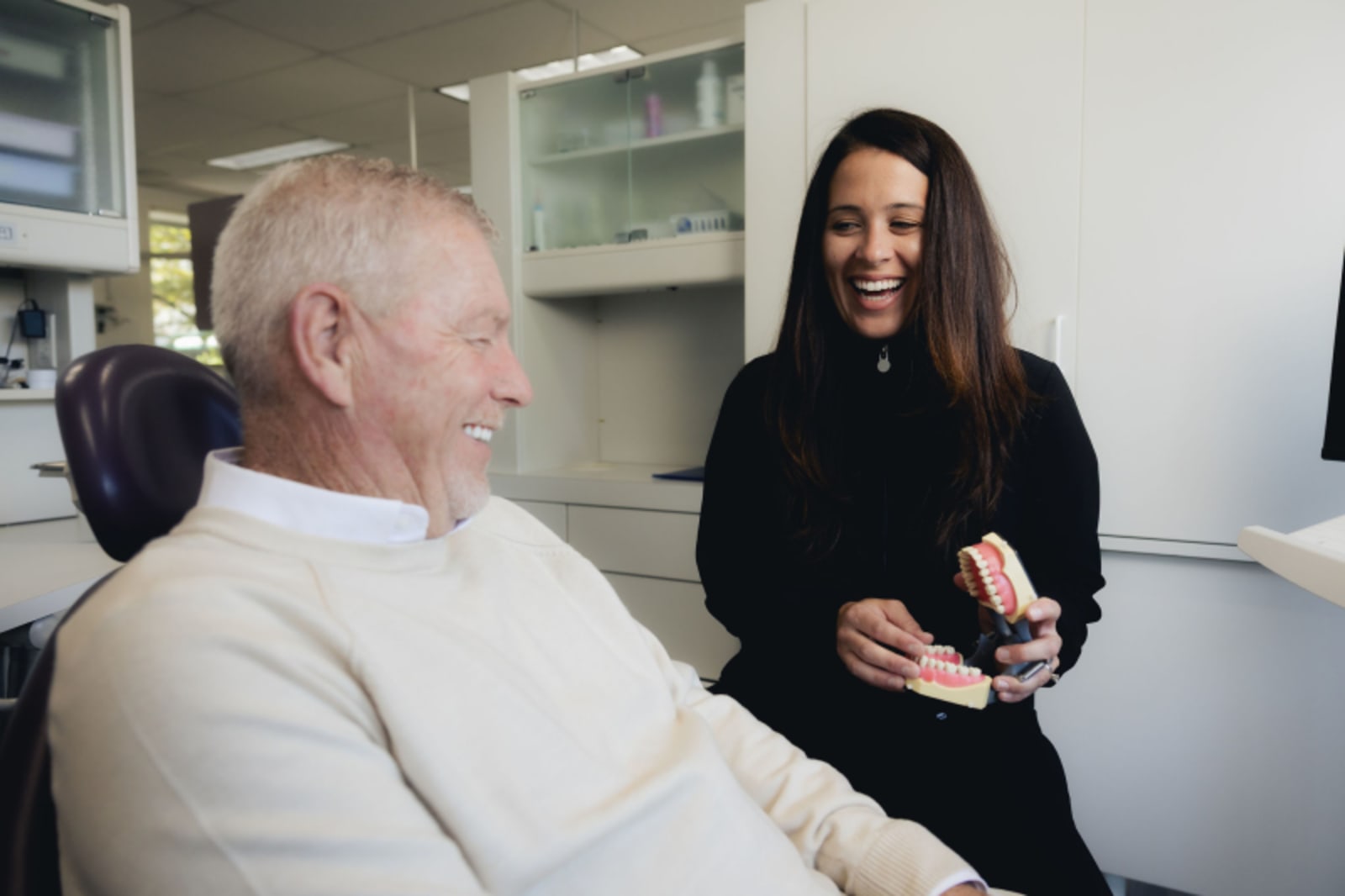
One of the best things you can do before committing to anything is understand what the process actually looks like. Knowing what to expect, from your first appointment to the day everything feels normal, takes a lot of the worry out of it. Here's how it goes.
1. The consultation and exam
We start by taking a good look at where things stand: what teeth are still there, how your gums are doing, and how much jawbone you have available. That last part matters more than most people realize. The bone underneath is what the denture rests on, and its shape determines what kind of fit is actually achievable.
2. Impressions and records
Next, we take detailed impressions (basically molds of your gum tissue) along with measurements of how your bite comes together and how your teeth should line up with your lips and face. It sounds like a lot of detail, and it is, but that's what makes the difference between a denture that fits well from the start and one that needs constant adjusting.
3. Extractions and healing, if needed
If any teeth need to come out before we can move forward, we plan for that upfront. After extractions, your gum tissue and bone go through a natural reshaping process over several weeks. If we take final impressions too early, before that settling happens, the denture won't fit the way it should for long. If you don't want to go without teeth while you heal, we can place immediate dentures the same day as your extractions. The trade-off is that they'll need to be relined later, meaning the inside surface gets adjusted to match your gums once they've fully healed.
4. Try-in appointments
Before anything is finalized, you'll actually try on a version of the denture. This is your chance to see how it looks and feels: talk with it in, smile with it in, get a real sense of it. The shade of the teeth, their position, and how much shows when you speak can all still be adjusted at this point. We want your honest reaction, so don't hold back.
5. Delivery and adjustments
Once everything looks right, you go home with your finished denture. And then you come back. Some soreness in the first few weeks is completely normal as your gums get used to things, and we schedule follow-up visits to fine-tune the fit as that happens. Those adjustment appointments aren't something extra you have to ask for. They're just part of how we make sure the whole thing actually works for you.
What Dentures Actually Do for You
- You get your food back. A well-fitted denture means you can actually chew again, so vegetables, meat, and the foods you've been avoiding can come back onto the menu with a little practice.
- Speech improves. Missing teeth, especially in front, make it harder to form certain sounds. Replacing them usually clears that up within a few weeks.
- Facial support returns. Your teeth hold up your lips and cheeks. When they're gone, the lower part of your face can sink inward and add years to your appearance. A denture rebuilds that support.
- Remaining teeth stay put. With a partial denture, the teeth you still have are less likely to drift into the empty spaces over time, which helps protect your bite.
- Digestion gets easier. When food isn't chewed well, it's harder for your stomach to break down. Patients often notice digestion improving naturally as their diet opens back up.
Who Dentures Are Right For
Dentures are a good fit for a lot of people, but there are situations where a different option might serve you better. It's worth figuring that out before you commit to anything.
Good candidates
- You're missing most or all of the teeth in an upper or lower arch.
- Your remaining teeth are failing, badly damaged, or need to come out.
- You want to replace missing teeth without going through surgery.
- You still have healthy teeth that can support a partial denture.
When something else may fit better
If the idea of a denture shifting around while you eat is a dealbreaker for you, it's worth asking about implant-supported dentures. These attach to small implants placed in the jaw, so they stay put and also help slow down bone loss over time. All-on-Four is a version of that: four implants hold up an entire arch. Both options cost more and do involve a surgical procedure, so they're not automatically the right call for everyone.
Dentures aren't the same as natural teeth, and it's important to go in knowing that. There's an adjustment period, they'll need occasional refits (called relines) as your jaw changes over time, and they do require daily care. What they do really well is give you back the ability to eat, speak, and smile with confidence, and for a lot of people, that makes a significant difference.
Timeline For Getting Dentures at Pacific Rim Dental
The denture is finished on delivery day. Living comfortably in it takes a few weeks more, and knowing what's normal makes that stretch a lot easier to get through.
Some soreness in the first week or two is completely normal while your gums adjust to something new. Don't tough it out silently, though. That's exactly what adjustment visits are for. A quick fix at the office beats two weeks of unnecessary discomfort. Speech may feel a little thick or lispy at first too. Reading out loud for a few minutes a day actually helps, because your tongue is just getting used to where everything sits now.
Eating takes a little practice as well. Start with softer foods cut into smaller pieces, then gradually work your way up to tougher textures. Try to chew on both sides at the same time rather than favoring one side, as it keeps the denture from rocking or tipping while you eat.
Daily care
- Rinse the denture after meals when you can.
- Brush it daily with a soft brush and a non-abrasive denture cleaner. Regular toothpaste is too harsh and will scratch the surface over time.
- Take it out at night and soak it. Your gums need a break, and the denture stays in better shape with a nightly soak. Wearing it around the clock can irritate the tissue underneath and speed up bone loss, so this one really matters.
- Brush your gums, tongue, and any remaining natural teeth as you normally would.
- Keep up with your regular checkups. We keep an eye on how the fit is holding up so small changes get caught early, before they turn into sore spots.
Cost and Payment For Dentures in Medford
Denture costs vary quite a bit from person to person, because what you actually need depends on your specific situation. A few things that affect the final number:
- Whether you need a full denture, a partial, or treatment on both arches
- Whether any teeth need to be removed first
- Whether a conventional denture or an implant-supported design is the better fit for you
- Whether bone grafting is part of the plan, if implants are involved
We go through all of this at your consultation and put together a written treatment plan before anything starts, so you know exactly what you're looking at before you commit to anything. If you have dental insurance, many plans cover at least part of denture treatment, though the amount varies depending on your plan's annual maximum and any waiting periods.
Bring your insurance information and we'll help you figure out what's covered. We'll also walk you through payment options so the financial side feels just as clear as the treatment side. Call our Medford office at (541) 779-9059 with any questions.
Why Patients Choose Us for Denture Work

Dr. Kaiser grew up in Eagle Point, went to Southern Oregon University, and came back to Southern Oregon to practice. He's not part of a corporate dental group. This is a locally owned office, and that makes a real difference in how care gets delivered. You'll see the same dentist from your first exam all the way through your last adjustment, not a rotating cast of providers.
He earned dean's awards in both digital and implant dentistry in dental school, and that background shows up directly in how dentures are made here. We use digital design, CAD/CAM technology, and 3D printing, which means your records are more precise, your fit is more predictable, and there are fewer surprises when the finished denture is delivered.
Dr. Kaiser's approach is biomimetic and conservative. In plain terms, that means keeping what's healthy, removing as little as possible, and looking at your whole mouth rather than just the immediate problem.
What patients tell him most often is some version of "I appreciate how you explained that." Denture decisions can get overwhelming quickly, and the goal is that you leave your consultation understanding your options well enough to make the choice that's right for you, without feeling pressured either way.
Frequently Asked Questions
How long do dentures last?
Most dentures hold up well for roughly five to ten years with good care. What usually changes first isn't the denture itself; it's your mouth. Your jawbone and gum tissue gradually shift over the years, so a denture that fit perfectly when you got it can slowly stop sitting right. That's completely normal, and it's one reason regular checkups matter. Caught early, a reline (where we resurface the inside of the denture to match your current gum shape) is usually all it takes.
Can I sleep in my dentures?
We'd really rather you didn't. Wearing them overnight keeps the gum tissue underneath compressed and irritated, and over time it can speed up bone loss in your jaw. Taking them out at night gives your mouth a chance to rest. That said, if removing them overnight feels like a real barrier for you, just tell us and we'll work out something that makes sense for your situation.
Will my dentures look obviously fake?
They shouldn't. What usually gives a denture away is when everything looks too perfect: teeth that are too white, too even, and too uniform. Real teeth have small quirks: slight variations in shade, a little wear, minor irregularities. A well-made denture reflects that. How much of the teeth show when you talk and smile matters just as much as the color, because teeth that sit too high or too low can look off even when the shade is spot on. All of that gets worked out at your try-in appointment, before anything is finalized.
What's the difference between a reline and a new denture?
A reline is a much smaller fix. We resurface the part of the denture that rests against your gums so it matches the current shape of your mouth, no new denture needed. A full replacement comes into play when the teeth themselves are worn down, the base is cracked, or the fit has drifted too far for a reline to bring it back.
Can I get dentures if I need teeth extracted first?
Yes, and it's actually a very common path. We plan the extractions and the denture together so nothing catches you off guard. If you don't want to go without teeth while you're healing, we can place immediate dentures the same day the teeth come out. You'll come back for a reline once your jaw has fully settled, but you won't have to go through the healing period without teeth.
Do partial dentures damage the teeth they attach to?
Not when they're made and cared for properly. A well-designed partial spreads the load evenly and clips onto teeth that are strong enough to handle it. The main thing on your end is keeping those anchor teeth clean. Buildup around them is the most common source of trouble, which is why we take a close look at them every visit.
Come Talk It Through With Us
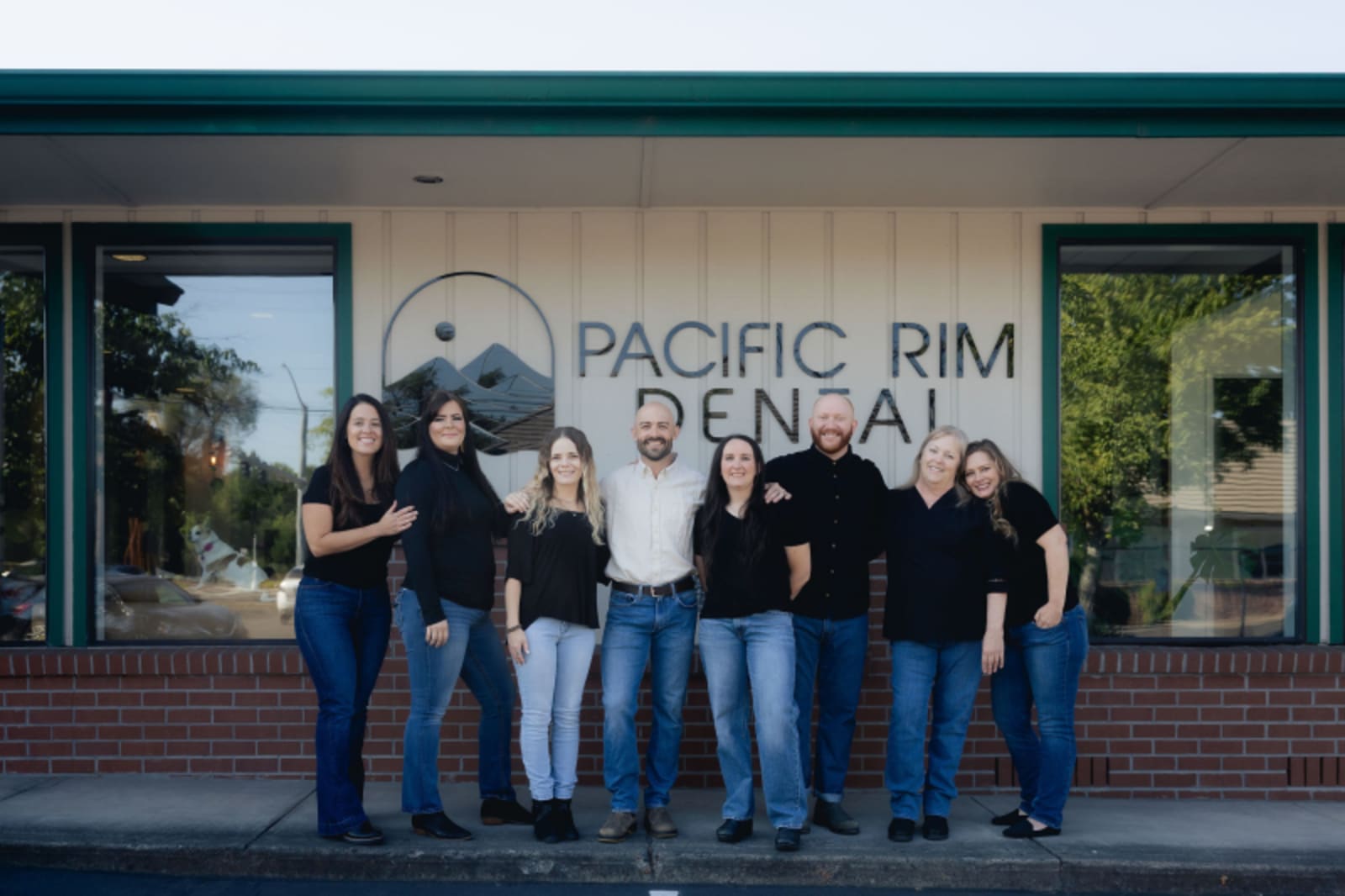
Replacing missing teeth is a decision worth taking your time on. If you're still weighing options, or you just want to sit down with Dr. Kaiser and hear what your options actually look like (no pressure, no sales pitch), that's exactly what a consultation is for. You'll leave with a clearer picture of what makes sense for you, whether or not you decide to move forward with us.
We're at 940 Ellendale Dr, Suite 101 in Medford, and we're accepting new patients. Give us a call at (541) 779-9059.
Enjoy a better dental experience
Please call (541) 779-9059 or request an appointment online to set up your first visit. We’ll be in touch soon.